English
 中文简体
中文简体
As an indispensable connection and fixing component in industry, construction and mechanical equipment, the applicability of standard fixing hardware in different application environments has become an important consideration in design and procurement. Reasonable selection and application of standard fixing hardware can not only improve the stability of the overall structure, but also effectively extend the service life of the equipment. This article will discuss in detail the performance and adaptability of standard fixing hardware in various environments.
Basic classification of standard fixing hardware
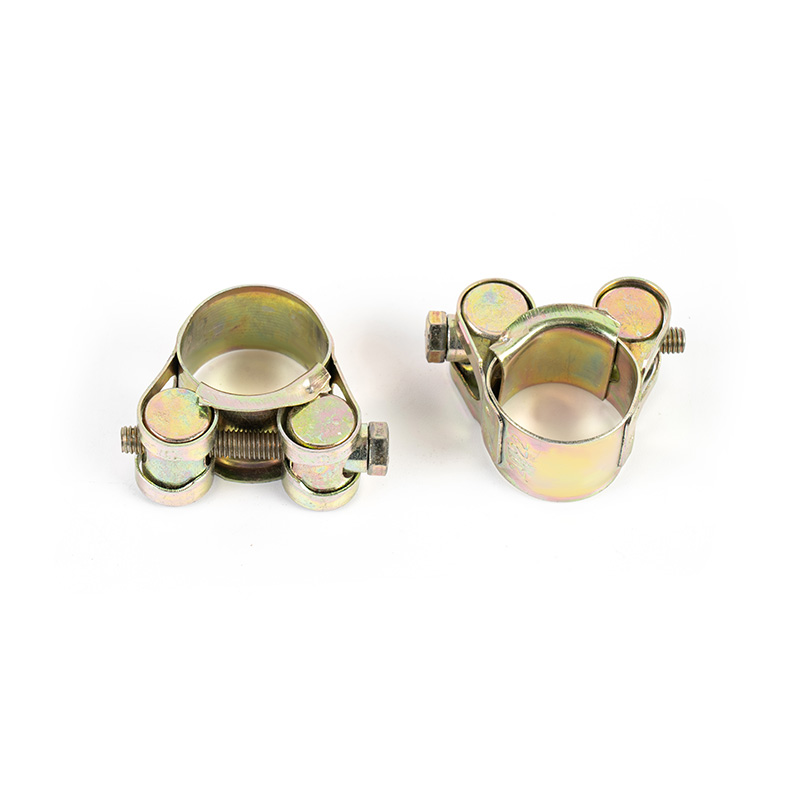
Standard fixing hardware mainly includes bolts, nuts, washers, pins, fastening clamps, etc. These hardware are of various types and standardized in size specifications, which can meet diverse connection needs. Different types of hardware focus on load-bearing capacity, corrosion resistance and installation convenience in design to meet the requirements of various environments.
Applicability in indoor environments
In indoor environments with moderate temperature and low humidity, the materials of standard fixing hardware are mostly ordinary carbon steel or stainless steel, which meets the fixing needs of daily mechanical equipment and structures. In this environment, the hardware mainly focuses on mechanical strength and installation convenience, and the requirements for corrosion resistance are relatively low, but it is still necessary to avoid moisture and chemical erosion.
Applicability in outdoor environments
Outdoor environments are usually faced with multiple tests such as large temperature changes, rain, ultraviolet rays and wind and sand. Standard fixing hardware in this environment should use materials with good corrosion resistance, such as stainless steel, galvanized steel or special anti-corrosion coating products to prevent rust and material fatigue. At the same time, the design needs to consider the impact of temperature expansion and contraction to prevent fasteners from loosening or damage due to environmental changes.
Applicability in high temperature environment
High temperature environment places high demands on the materials and structures of standard fixing hardware. Metal materials are prone to strength loss and oxidation at high temperatures, so high-temperature resistant alloy materials or heat-treated steel materials need to be selected. In some industrial furnaces, engine compartments and other occasions, hardware must also have good thermal expansion adaptability and creep resistance to ensure the stability of the connection.
Applicability in low temperature environment
The toughness of materials will decrease in low temperature environments, and brittle cracks are prone to occur. Standard fixing hardware should use steel or alloys with good low temperature performance to ensure that they still maintain sufficient mechanical properties and impact resistance under extremely cold conditions. Cold areas in the north, refrigeration equipment and other fields have clear requirements for the low temperature adaptability of hardware.
Applicability in chemical corrosion environment
In environments with acids, alkalis or other chemical corrosives, standard fixing hardware needs to have chemical corrosion resistance. Commonly used stainless steel alloys, titanium alloys or coating treatments can effectively prevent corrosion and extend the life of hardware. In addition, reasonable design and maintenance can also reduce the damage of chemicals to hardware.
Applicability in vibration and shock environments
Mechanical equipment and transportation tools are often accompanied by vibration and shock, which poses a challenge to the locking performance of fixed hardware. In such environments, fasteners with anti-loosening design (such as spring washers, nylon locking nuts, etc.) are required to avoid loosening and ensure the safety and stability of the connection.
Performance comparison of standard fixing hardware of different materials
| Material Type | Main Characteristics | Suitable Environment | Advantages | Limitations |
|---|---|---|---|---|
| Carbon Steel | Good mechanical properties, low cost | Indoor environment, non-corrosive | Cost-effective, moderate strength | Prone to corrosion, poor weather resistance |
| Stainless Steel | Strong corrosion resistance, wide temperature range | Outdoor, chemical corrosive and humid environments | Corrosion resistant, easy maintenance | Higher cost, slightly lower mechanical strength than carbon steel |
| Galvanized Steel | Surface rust protection, certain corrosion resistance | Outdoor and humid environments | Lower cost, general corrosion protection | Coating prone to wear, limited corrosion protection lifespan |
| Titanium Alloy | Excellent corrosion resistance, lightweight and high strength | Extreme corrosive environments and special requirements | Lightweight and corrosion resistant | High cost, complex manufacturing |
| Alloy Steel | High mechanical strength, wear resistant | High temperature and high stress environments | High strength, good fatigue resistance | Requires corrosion protection treatment |
Maintenance and replacement considerations
Regardless of the application environment, the maintenance of standard fixing hardware is the key to ensuring the reliability of the connection. Regularly checking the tightening status, the integrity of the anti-rust treatment, and the timely replacement of worn or corroded parts can help extend the life of the equipment and reduce safety hazards. The use of standardized hardware is not only convenient for replacement, but also simplifies the maintenance process.