English
 中文简体
中文简体
Whether the geometric shape of the workpiece is mainly rotationally symmetrical
CNC lathes are mainly used to process rotating workpieces. Their structural characteristics determine that they have high processing efficiency for rotationally symmetrical parts. Therefore, whether the workpiece has rotational characteristics is the primary criterion for judging whether it is suitable for lathe processing.
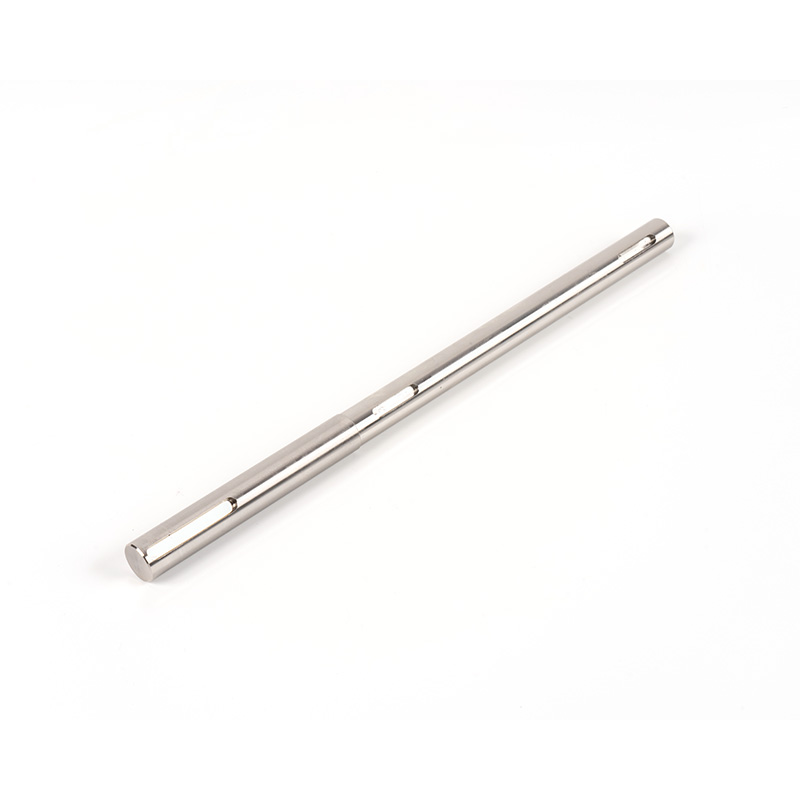
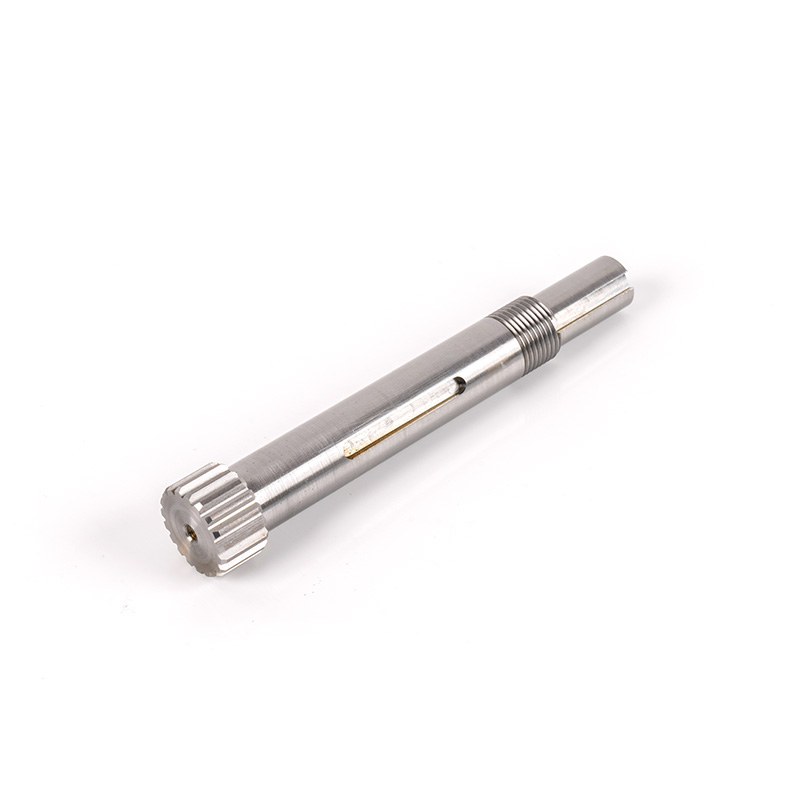
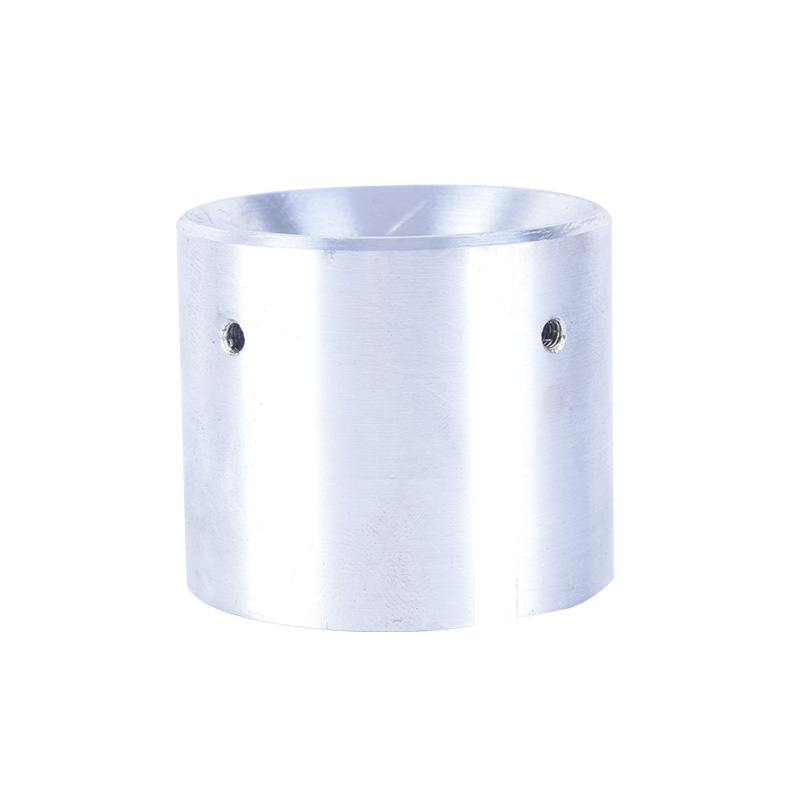
For example, shafts, sleeves, discs, cones, spheres and other parts are typical suitable processing objects. If the shape of the workpiece is more complex, containing a large number of planes, square contours or special-shaped structures, it is more suitable to use milling machines, machining centers and other equipment.
Whether the material type is suitable for turning processing
CNC lathes have a wide range of adaptability to materials. Common applicable materials include carbon steel, stainless steel, aluminum alloy, copper alloy, plastic, nylon, etc. However, the processability of different materials during turning processing varies greatly.
If the workpiece material is too hard (such as hardened steel, tungsten steel) or too soft (such as soft rubber, some composite materials), problems such as increased tool wear, large cutting deformation or ineffective fixation may occur. At this time, it is necessary to evaluate whether the tool matching, cooling and lubrication conditions and spindle power meet the requirements.
Whether the dimensional accuracy and surface roughness requirements match the turning capabilities
CNC lathes have high dimensional repeatability and stability, and are suitable for processing rotating parts with high requirements for dimensional accuracy, coaxiality, verticality, etc. Generally speaking, under reasonable process parameters and tool conditions, CNC lathes can achieve micron-level processing accuracy.
If the workpiece has too high requirements for surface roughness, such as requiring a mirror effect, a grinder may be required for subsequent processing. If the workpiece is only a rough-machined part, it may not be economical to use a CNC lathe, and it needs to be considered comprehensively in combination with actual process requirements.
Whether the workpiece processing batch is economical for CNC lathe machining
CNC lathes are suitable for automated processing of batches or medium quantities of parts, especially under conditions of strong repeatability and fixed process paths, which can significantly improve efficiency and reduce manual dependence. However, in scenarios with single pieces, small batches or frequent changes in structure, the cost of equipment debugging and programming is high.
To determine whether the workpiece is suitable for CNC lathes, the processing batch and production rhythm must also be considered. If it is a single-piece proofing or non-standard part with complex shapes, it may be more flexible to use a general lathe or machining center.
Is the clamping method suitable for the lathe spindle structure
In CNC lathe machining, the workpiece needs to be clamped and positioned by a chuck, center, spring collet or special fixture. If the shape of the workpiece is difficult to clamp stably (such as plate-shaped parts, special-shaped thin-walled parts), or its size exceeds the lathe processing range, it may not meet normal processing requirements. If the inner and outer surfaces of the workpiece need to be processed at the same time, it must be confirmed that the CNC lathe has dual spindles, tailstock support or automatic clamping functions to avoid repeated clamping and positioning errors.
Does the processing content meet the lathe process capabilities
CNC lathes are mainly based on turning, and are suitable for external circles, internal holes, threads, end faces, tapers, grooving and other operations. Some CNC lathes with power turrets can also complete milling, drilling, tapping and other composite processing. However, if the workpiece requires a lot of side processing, contour milling, and hole group drilling, the lathe processing capacity will be limited. When judging, it is necessary to analyze whether the required process matches the equipment function to avoid changing the machine midway, increasing the number of clamping times or delaying delivery due to insufficient functions.
Whether the equipment capacity meets the processing requirements
The selection of CNC lathes directly affects the processing adaptability. For example, the spindle speed, turret type, number of programmable axes, maximum cutting diameter and length, tool library capacity, etc., all affect the workpiece processing capacity.
If the workpiece is large or the material is hard, and the spindle torque of the equipment used is insufficient or the rigidity is low, it will affect the cutting stability and accuracy. In addition, the compatibility of the control system and whether it supports complex program segments also need to be considered.