English
 中文简体
中文简体
Definition of Standard and Non-standard Fixture Hardware
Standard and non-standard fixture hardware are two common types of hardware, differing significantly in structure, size, purpose, and production process. Standard fixture hardware is manufactured according to specific industry or international standards and typically has uniform dimensions, shapes, and performance specifications. This type of hardware is widely applicable to a wide range of equipment and systems, demonstrating high versatility and adaptability. In contrast, non-standard fixture hardware is customized to specific needs and is not bound by fixed standards. It is often used in projects and equipment with specialized requirements. The design and manufacture of non-standard hardware is often tailored to individual customer requirements and is typically used in more complex or unique application scenarios.
Characteristics of Standard Fixture Hardware
Standard fixture hardware typically adheres to global or regional standards, such as ISO and ANSI, which define the hardware's dimensions, strength, materials, and other technical parameters. The key characteristic of standard fixture hardware is its standardized dimensions, specifications, and performance, which makes it highly available in the market. Due to its mature production processes, standard fixture hardware typically has lower production costs and shorter lead times, making it suitable for large-scale production and widespread application. Furthermore, the quality of standard fixtures is typically rigorously tested and certified, making it easier for users to assess their suitability and reliability when selecting them.
Characteristics of Non-standard Fixtures
Non-standard fixtures are designed and produced based on specific needs and often do not conform to any standardized dimensions or technical specifications. They can be customized according to specific design plans and are often used in complex engineering projects or specialized applications. Compared to standard hardware, non-standard hardware has a longer production cycle and relatively higher costs because it requires research, development, design, and production tailored to the customer's specific needs. Another characteristic of non-standard hardware is its uniqueness and adaptability, allowing it to meet specialized requirements that standard hardware cannot.
Major Differences Between Standard and Non-standard Fixtures
The differences between standard and non-standard fixtures lie in several key aspects: First, standard fixtures adhere to unified production standards and technical specifications, with uniform dimensions and performance requirements, while non-standard fixtures are customized to individual customer needs and are not constrained by fixed standards for size and performance. Second, standard fixtures are generally suitable for most general applications and offer a high degree of versatility, while non-standard hardware is more specialized and has greater, but relatively limited, adaptability. Furthermore, standard fixtures have shorter production cycles and lower costs, while non-standard fixtures have longer production cycles and higher costs.
| Comparison Aspect | Standard Fixed Hardware | Non-Standard Fixed Hardware |
| Definition | Manufactured according to uniform standards with fixed dimensions and performance. | Customized according to specific needs, with no fixed dimensions or performance. |
| Production Cycle | Short production cycle, quick delivery. | Longer production cycle, slower delivery time. |
| Production Cost | Low production cost due to mass production. | Higher production cost due to customized manufacturing. |
| Application Range | Widely applicable in various industries and equipment, with high versatility. | Suitable for specific, highly specialized applications, with strong adaptability. |
| Quality Control | Strict quality standards and testing, ensuring consistency. | Personalized quality control for each project, with potential variability. |
| Flexibility | Lower flexibility, limited application range. | High flexibility, able to meet special needs. |
| Market Demand | Large market demand, primarily for general applications. | Relatively small market demand, mainly for custom needs. |
Cost Difference
Cost is a key difference between standard and non-standard fixtures. Standard fixtures are typically produced at lower costs due to their large-scale production and mature manufacturing processes. Standardized production allows manufacturers to reduce the cost of each product by procuring raw materials in bulk and optimizing the production process, thereby improving market competitiveness. Non-standard fixtures, on the other hand, are often more expensive to produce due to their personalized design and custom production. Each customized product requires individual design and manufacturing, and the lack of standardized processes in the production process leads to higher production costs.
Production Cycle
Because the production processes and designs of standard fixtures are standardized, their production cycles are typically shorter and lead times are faster. This makes standard fixtures more suitable for projects requiring fast delivery. In contrast, non-standard fixtures have longer production cycles because each project requires detailed design and verification, as well as manufacturing and processing according to customer specifications. Therefore, lead times for non-standard hardware are typically longer, and customers need to make appropriate arrangements based on their project schedules.
Scope of Application and Versatility
Due to its standardized specifications and technical parameters, standard fixtures have a wide range of applications and can be used across multiple industries and applications. Whether in construction, automotive manufacturing, or electronic equipment, standard hardware can meet most requirements. Non-standard fixtures, on the other hand, offer greater customization and are suitable for projects with more specialized requirements, such as complex engineering projects or specialized equipment. While non-standard hardware has a relatively narrow scope of application, it offers improved functionality and can be particularly valuable in situations where standard hardware cannot meet the requirements.
Quality Control and Testing
Standard fixtures are typically subject to rigorous quality control and testing, as they adhere to specific industry or national standards. Multiple inspections are typically conducted during the production process to ensure compliance with specified requirements. Standard hardware manufacturers typically conduct ongoing quality monitoring and improvement to ensure product consistency and reliability. Quality control for non-standard fixtures is more complex, as each custom product has unique design and manufacturing requirements. Each project requires personalized quality inspections and testing to ensure it meets customer needs and usage standards. Consequently, the quality control process for non-standard hardware is complex and can be subject to fluctuations.
Adaptability and Flexibility
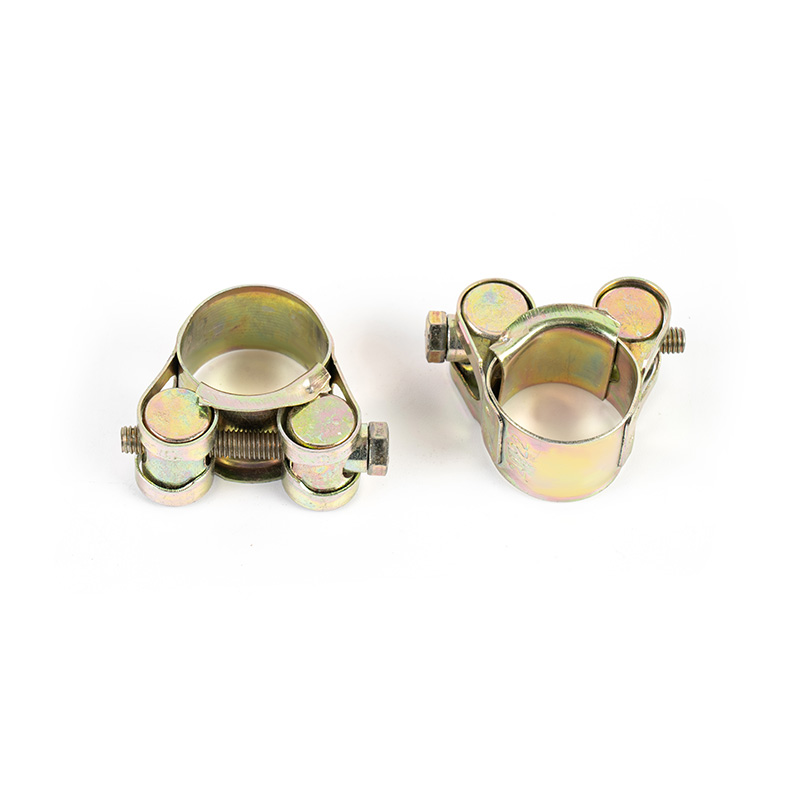
In terms of adaptability, non-standard fixed hardware is generally more flexible than standard hardware. Due to its customized design, non-standard hardware can be fully adjusted and optimized to meet customer needs, making it suitable for specific application scenarios. While standard fixed hardware is highly versatile, it may not offer sufficient flexibility when meeting specific requirements. To meet specific needs, customers often need to select non-standard hardware or make additional adjustments. Therefore, non-standard hardware generally offers greater flexibility and customization in terms of adaptability.
Market Demand and Development Trends
The market demand for standard fixed hardware is relatively large because it can be used in a wide range of industries and fields. With the acceleration of globalization and industrialization, the demand for standardized fixed hardware products continues to grow. In contrast, the market demand for non-standard fixed hardware is more specific, often concentrated in high-tech and demanding industries such as aerospace, military, and special equipment. With technological advancements and the diversification of market demand, the demand for non-standard hardware may gradually increase in certain specific areas. Overall, standard fixed hardware still dominates the market, while non-standard hardware plays an irreplaceable role in specific needs.